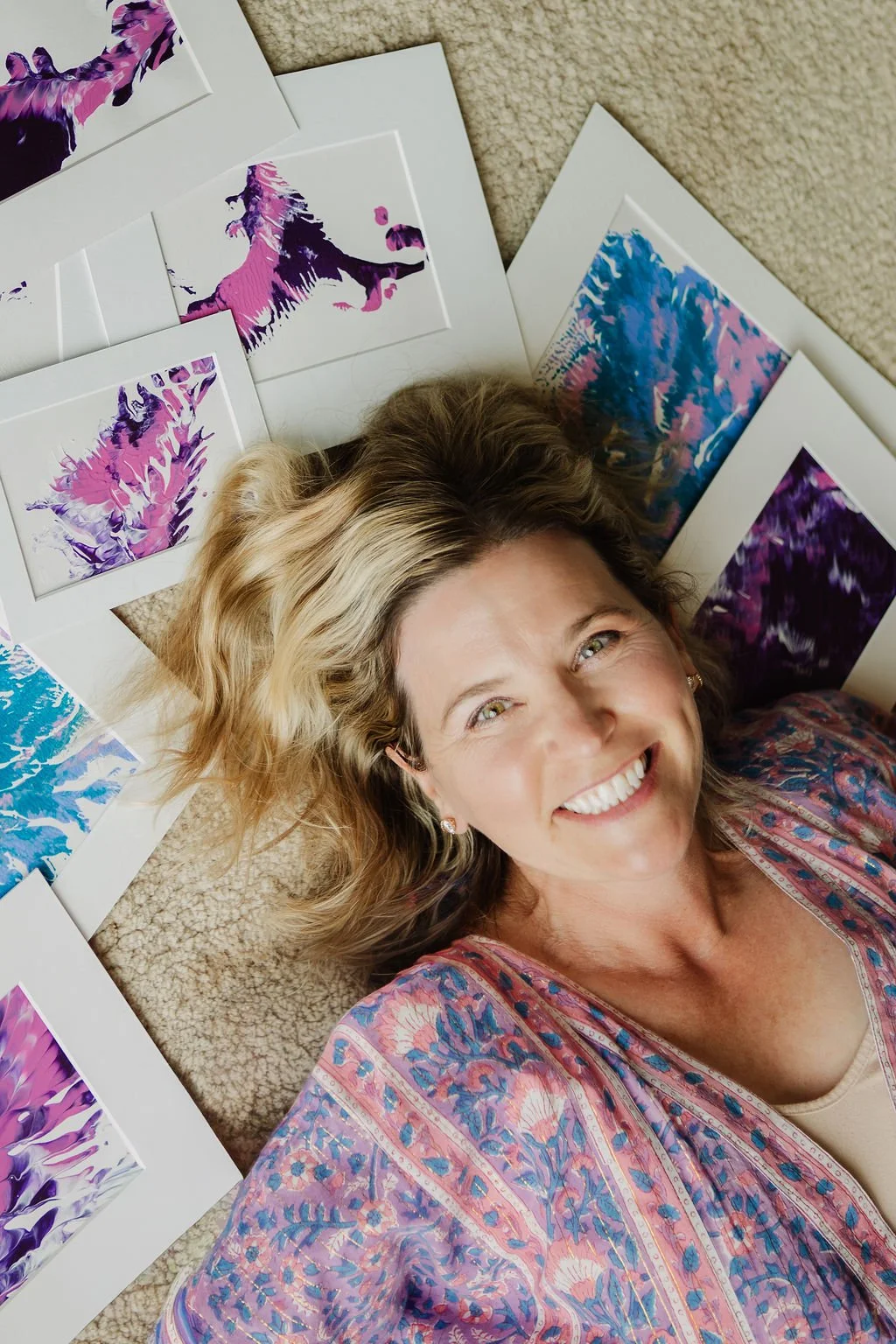
About AMY
I have spent much of my life asking questions.
In media at Vanderbilt University, I learned to observe closely, listen carefully, and resist deciding what a story meant before I had truly looked. Living for three years in Hokkaido, Japan, taught me to question the assumptions of my own culture and to recognize that there is always another way of seeing. Later, I founded and grew a user experience research company, where my work centered on watching, listening, and asking questions that helped reveal what people felt, needed, or understood—even when they could not yet articulate it themselves.
I have always been a researcher.
Painting is a continuation of that practice.
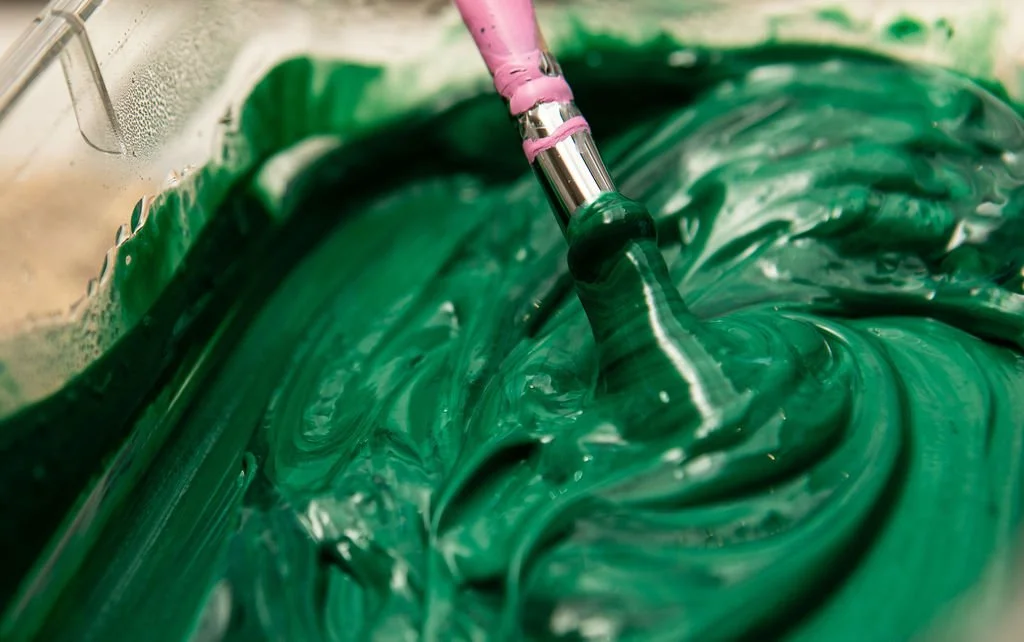
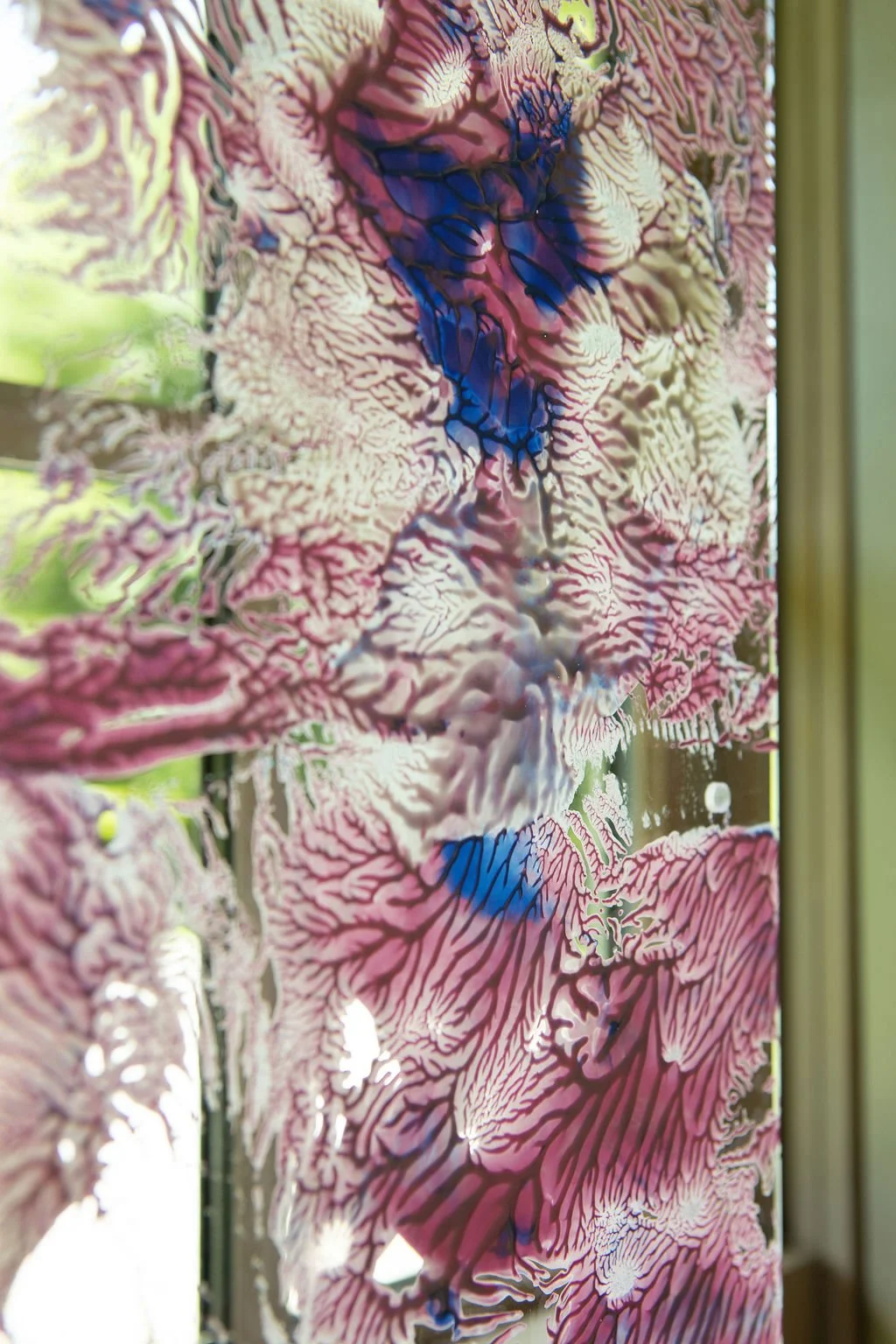
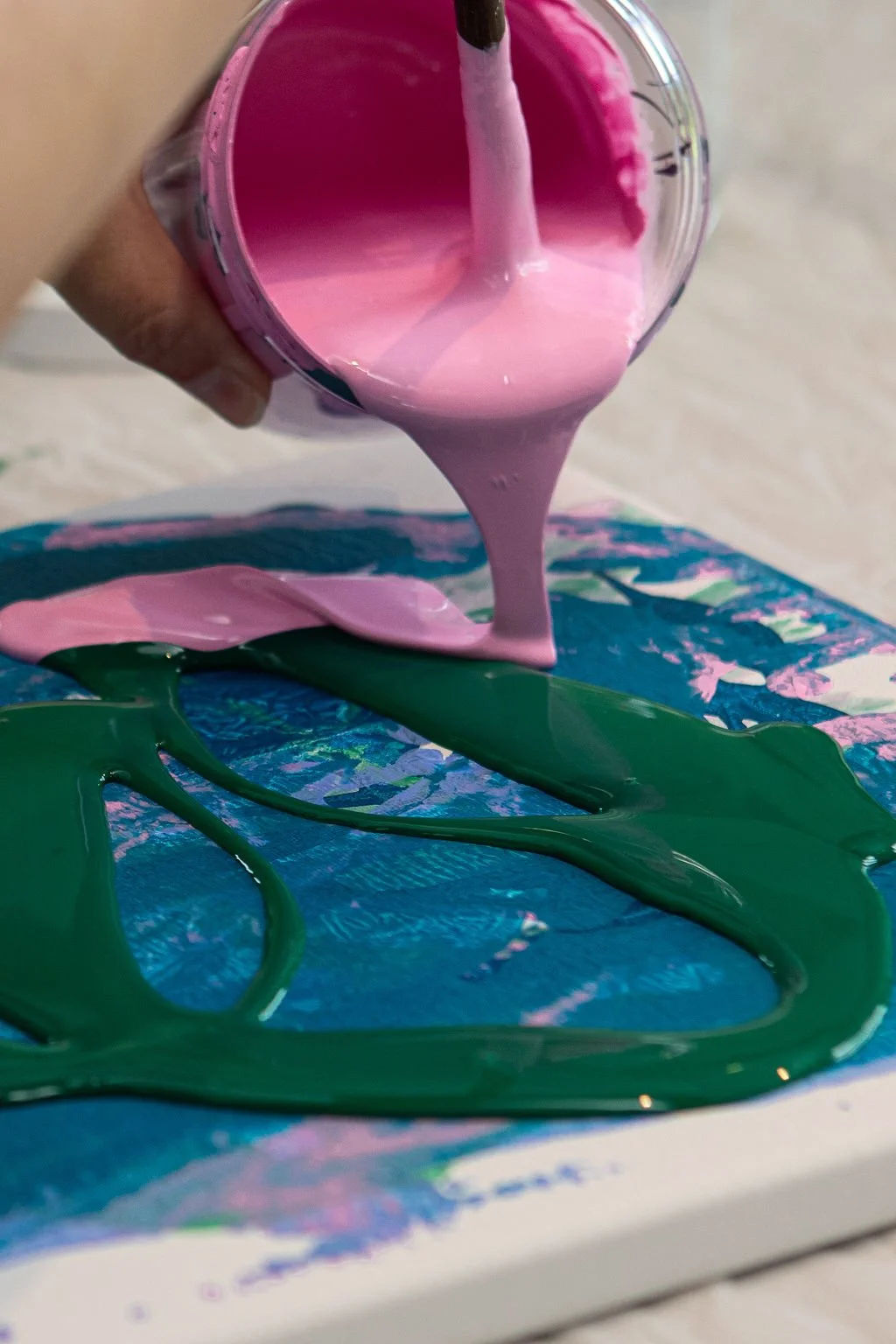
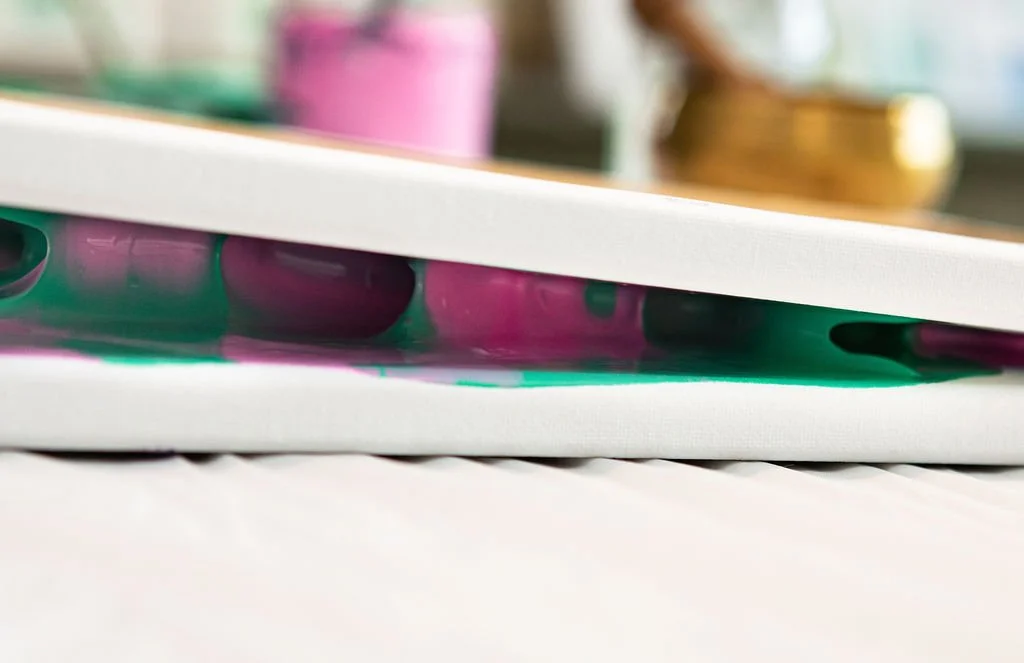
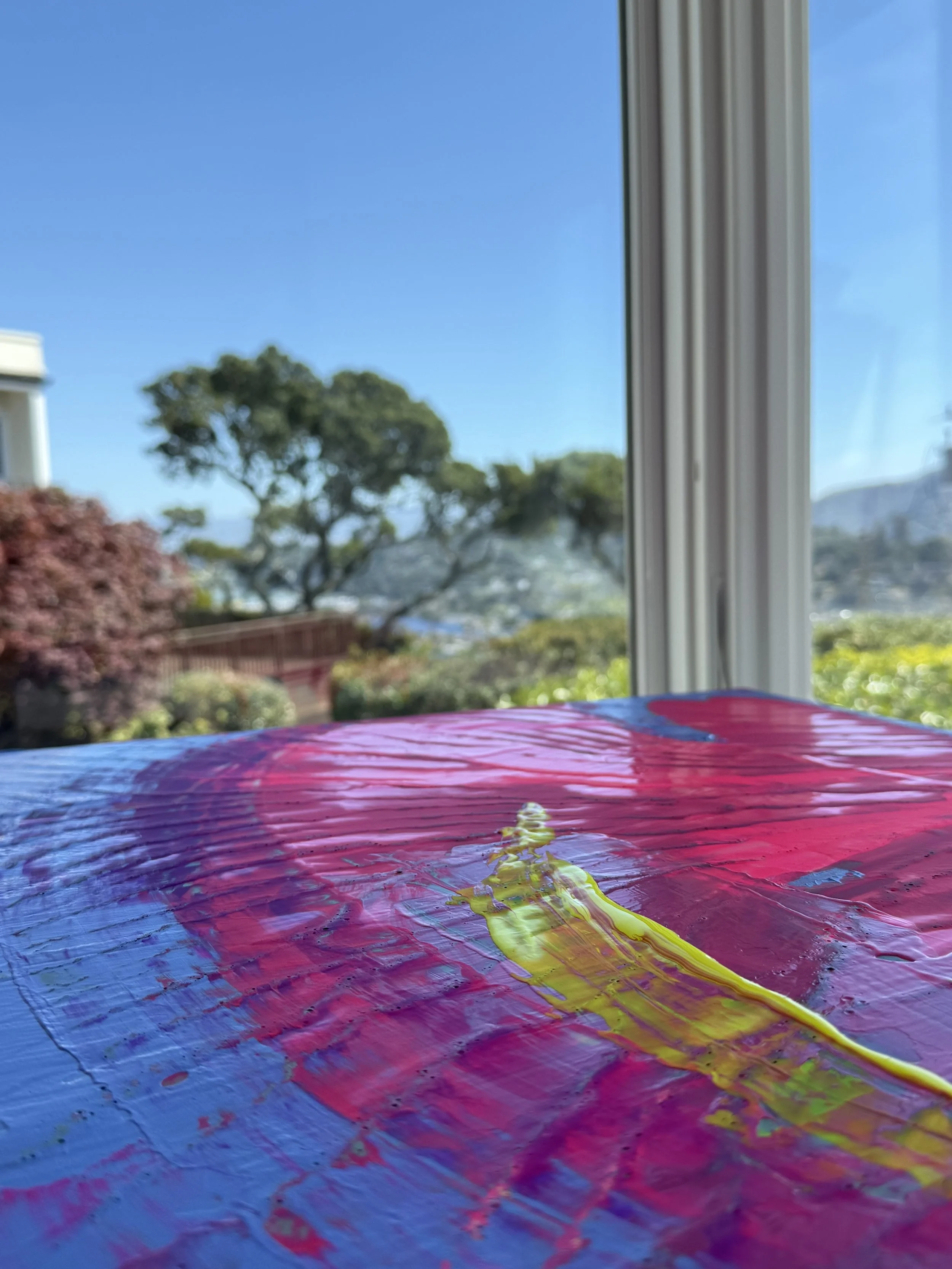
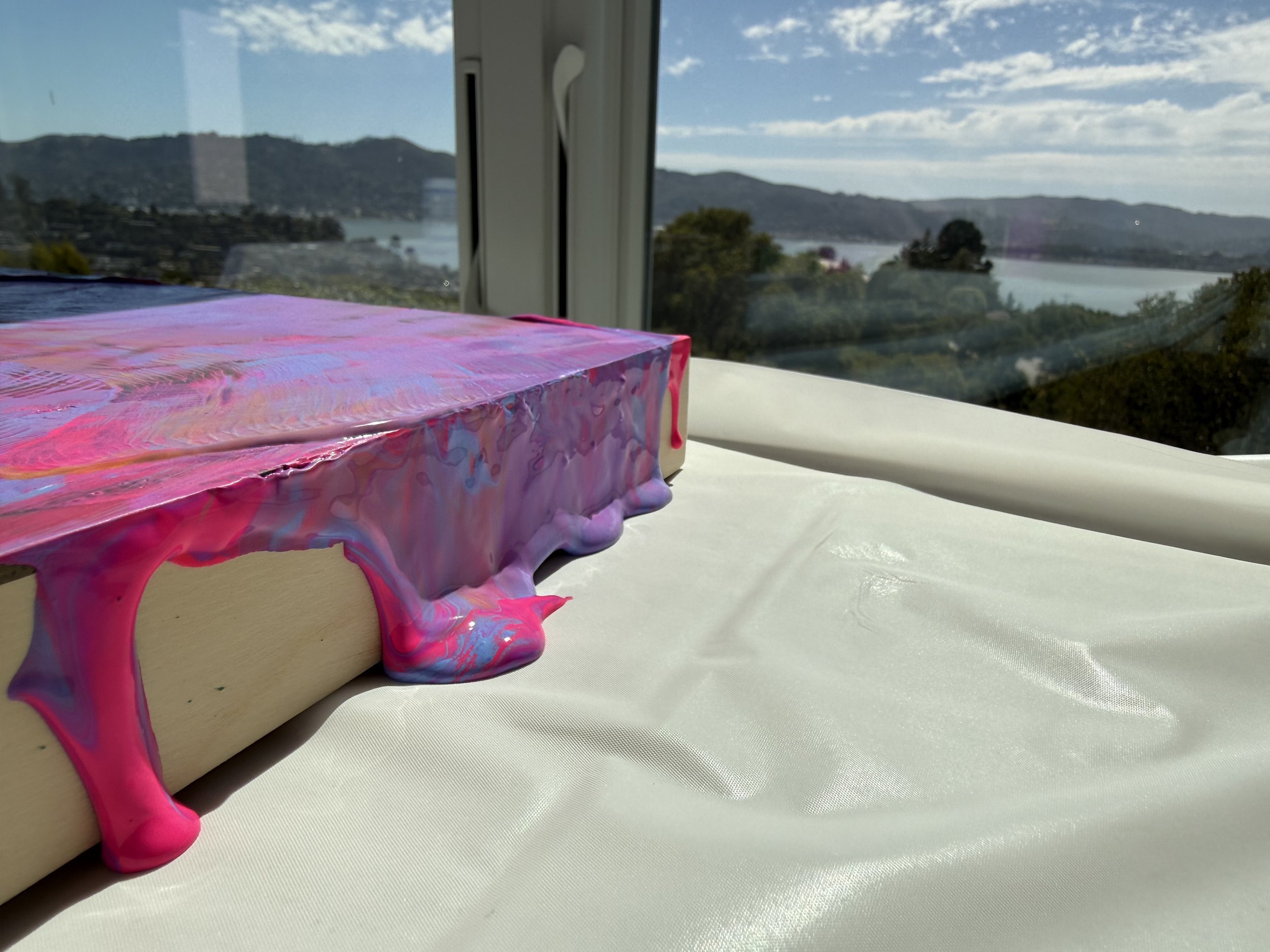
Rather than having a fixed image or a carefully developed plan, I begin with movement, intuition, and play, then observe what the materials reveal. Sometimes I pour paint, stamp it repeatedly, and leave the studio without knowing what will unfold. When I return, I become an archaeologist, searching the remnants for forms, stories, and moments of unexpected beauty. Other times, I paint using only my breath, allowing rhythm, chance, and surrender to shape the work.
Although the techniques differ, the inquiry is always the same:
What reveals itself when I stop trying to control the answer?
Long before I painted, years spent editing photographs for publications trained my eye to recognize compelling compositions hidden within a larger whole. I now find myself doing something remarkably similar in the studio—searching fields of paint for images that quietly ask to be seen.
Over time, I have come to understand that my role is not to invent beauty, but to recognize and reveal it.
Again and again, the work shows me that beauty may exist inside what we overlook, discard, or mistake for failure. White space becomes as important as paint. Fragments become beginnings. Chaos finds coherence.
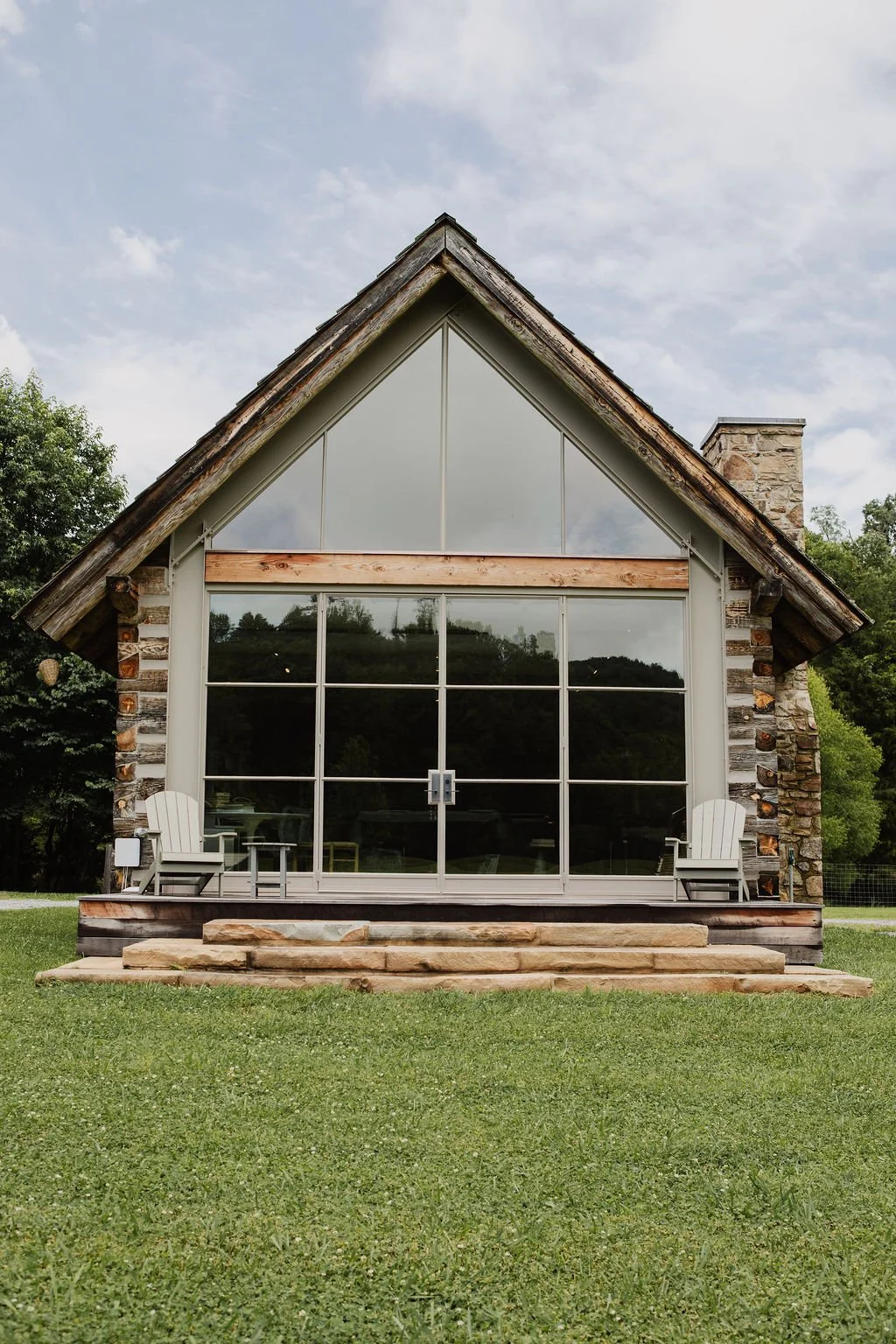
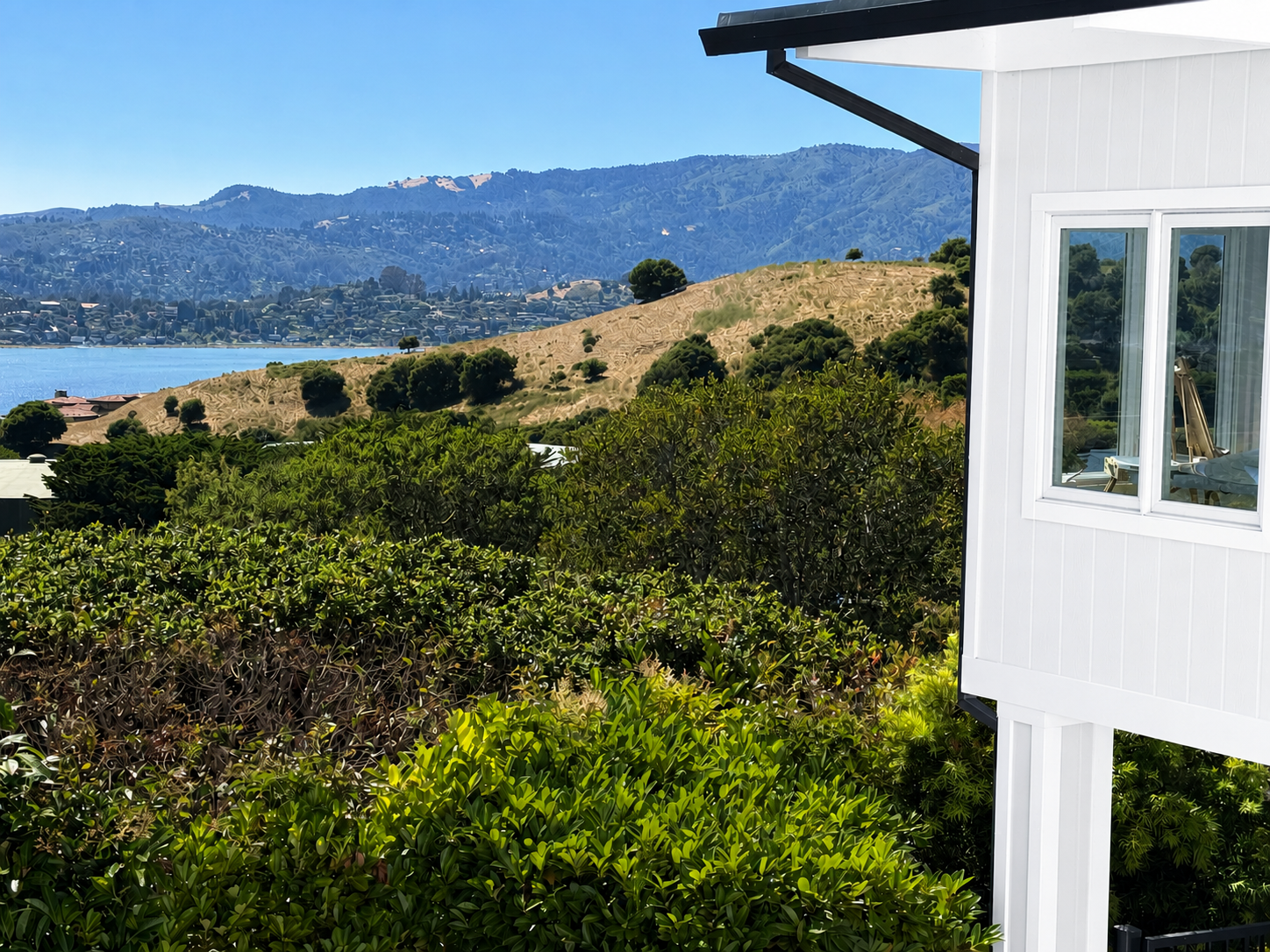
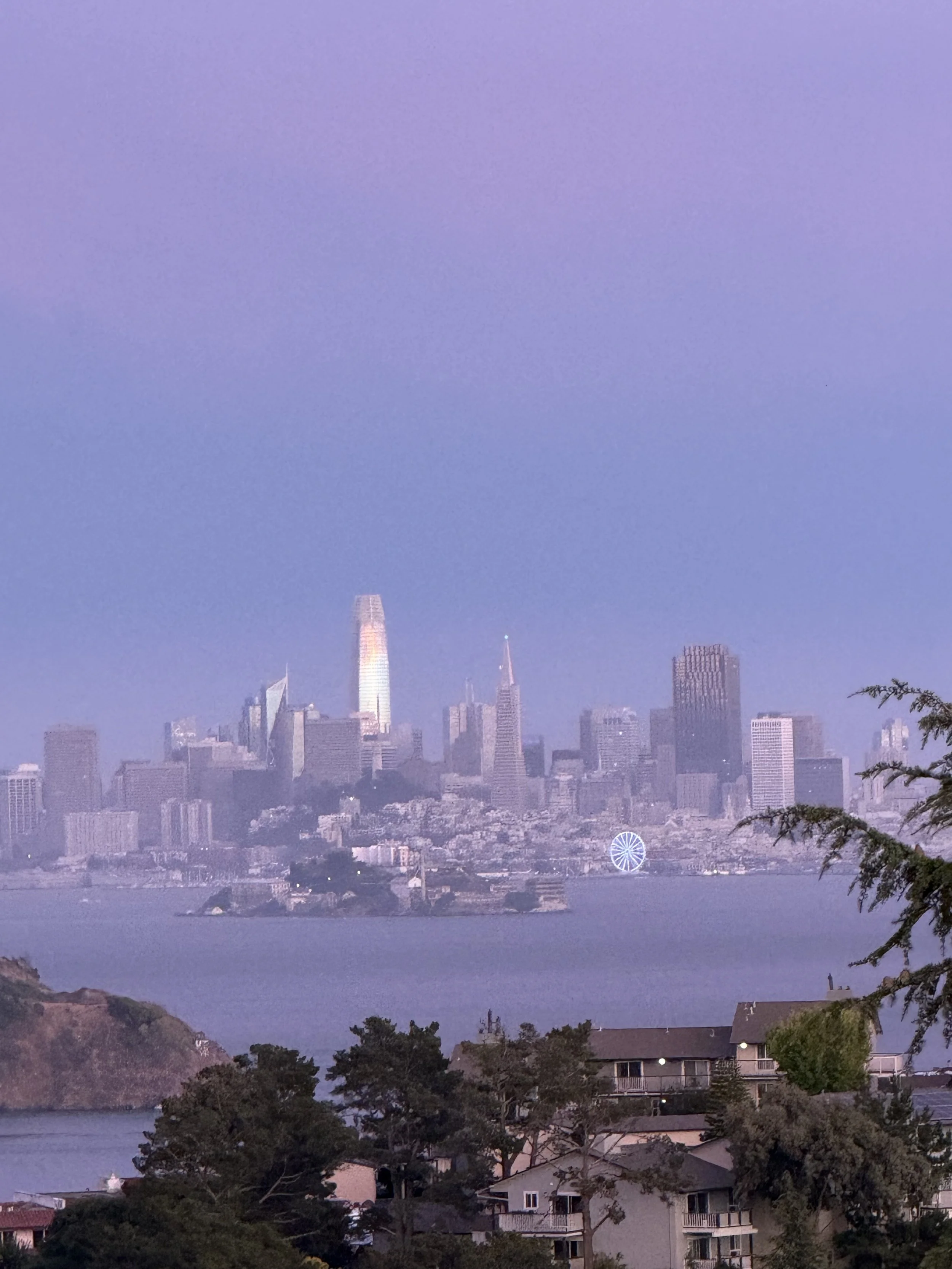
Today I work between two studios: one overlooking Richardson Bay in Tiburon, California, and another inside a small chapel on our family farm in Walland, Tennessee.
My hope is that these paintings invite others into the inquiry—to slow down, look more closely, and discover something that may have been waiting to be seen all along.